
A large portion of the American populace espouses a moral code that can be accurately described as Puritanical. Although this code is wrapped in religious language, it is fundamentally a denial of the goodness of creation, finding the source of evil in material things of pleasure (as tobacco, alcohol, art, and so on) rather than in the disordered human will to misuse the good things nature affords us. The Puritans’ fondness for legal prohibitions as well as their presumption of their own moral superiority have given religion a bad name in America.
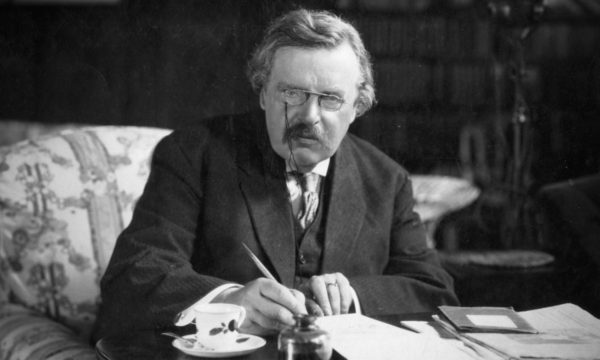
At the conclusion of his Illustrated London News column for September 11, 1909, Chesterton made the point with his characteristic logic and wit:
Idolatry is committed, not merely by setting up false gods, but also by setting up false devils; by making men afraid of war or alcohol, or economic law, when they should be afraid of spiritual corruption and cowardice. The Moslems say, ‘There is no God but God.’ The English Moslems, the abstainers, have to learn to remember also that there is no Satan but Satan.